

Herbal Remedies
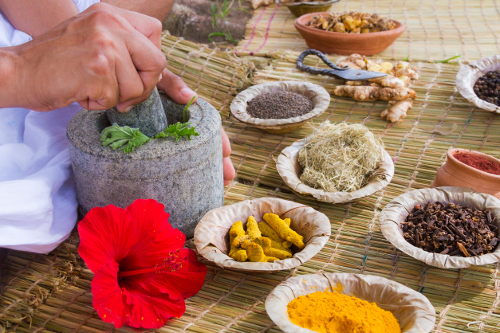
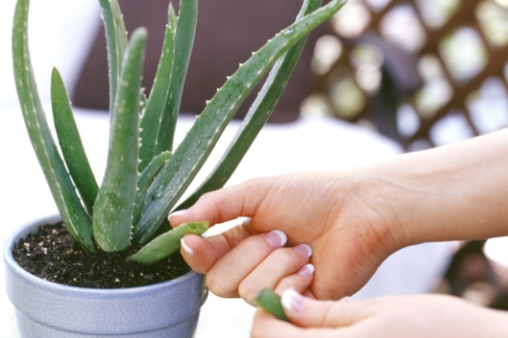
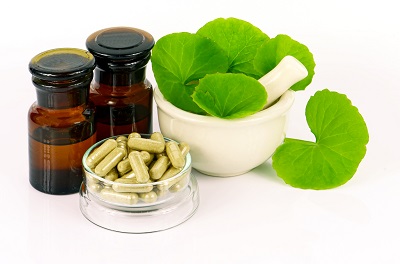
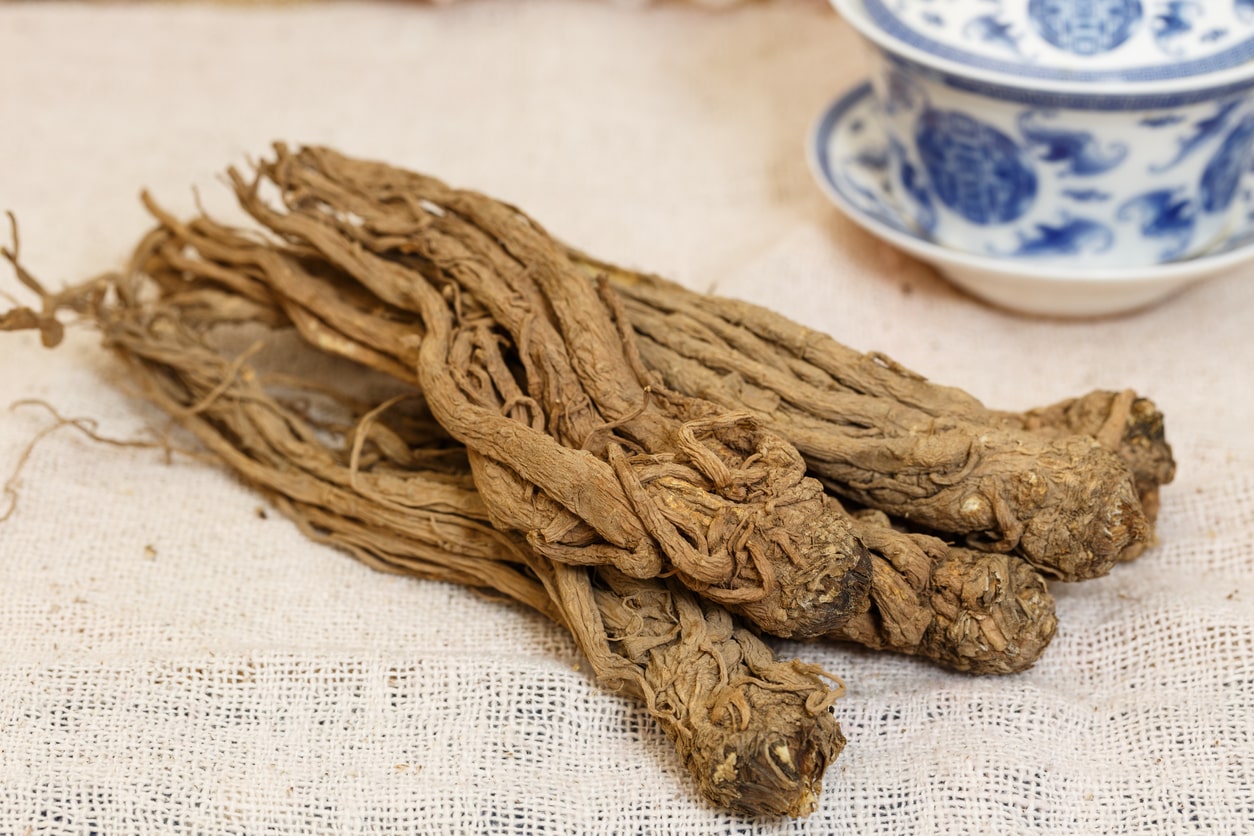
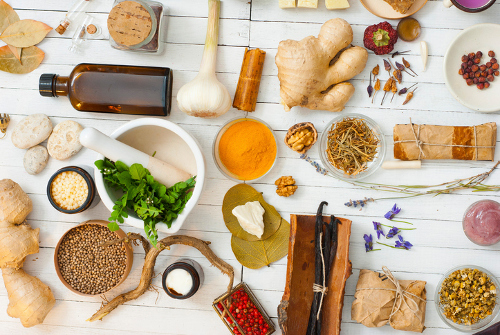
At the Doctors Health Press, we believe in the power of herbal remedies. In fact, our core belief is that you can achieve optimal health and wellness using herbal remedies and other alternative cures, without having to rely on expensive and potentially dangerous prescription drugs. All of our newsletters and reports focus on herbal remedies in some form or another. Whether it’s traditional Chinese herbal remedies, new herbal remedies that have recently been discovered and tested, even “secret’ herbal remedies that most people don’t know about, it’s our goal to provide you the full picture when it comes to natural and alternative herbal remedies. So whether you subscribe to one of our newsletters, read one of our special reports or books, or receive our free daily e-letter, the Doctors Health Press e-Bulletin, you can be assured that you’re getting the best herbal remedies advice and news available.
Whether you’re concerned about preventing breast cancer, lung cancer or any other form of the dreaded disease or you want to know how to prevent the onset of diabetes or properly maintain your diabetes or you simply want to maintain your healthy blood pressure, the Doctors Health Press commitment to finding herbal remedies that can help you in your goal to maintain a healthier you.
Five Herbal Fixes for an Upset Stomach
Nothing ruins a good meal more than experiencing a tense stomach shortly after eating it. There is no shortage of medications in the drugstore that relieve upset stomach, and the same goes in the herbal world. An upset stomach could be the work of indigestion, acid reflux or stomach ulcers. An upset stomach, especially one that is chronically so, indicates that something isn’t right with your digestive system or your acid environment. Acid reflux, for instance, is characterized by chest pain and indigestion and occurs when your stomach acid is pushed up the esophagus where it doesn’t belong.
Many quick healers are herbal in nature. Here are five good options:
1. Linden: This flower, growing in the northern regions of North America, Europe and Asia, has long been known for its ability to relieve indigestion. Drinking a tea with linden flowers has assisted people with gallbladder problems, upset stomach and excessive gas. The herb exerts a soothing, antispasmodic effect. It’s best to steep two to three teaspoons of linden flowers in a cup of hot water for 15 minutes. You can drink several cups a day. It is perfectly safe, with no toxic effects or drug interactions. Find it in health stores or specialty herbal shops.
2. Greater Celandine: You may not have heard of this member of the poppy family, which is cultivated in the U.S. because of its medicinal properties, but was originally found on the other side of the Atlantic. It just might ease that stomach upset in minutes. In studies, it’s been found to relieve cramps, nausea and that stifling feeling of fullness after eating — all components of indigestion. It’s important to use dried extracts and not fresh herb, as the latter may actually cause stomach upset. Make sure you ask the herbalist if the celandine has been dried quickly at high temperatures, because it’s thought that this is necessary to keep all those healthful alkaloids. Recommended: extracts with up to four mg of “chelidonine” for each pill (taken three times a day).
3. Peppermint: Like linden, peppermint is a natural antispasmodic, known to relax intestinal muscles, reduce gas and help relieve stomach cramps. It’s been widely studied, so its effects are well known. Peppermint helps the entire digestive process, from the stomach down into the intestine. Whether you have pills or peppermint oil, make sure it is “enteric-coated.” This is believed to be very safe. You can also steep peppermint tea to help smooth the digestive process. Recommended dosage: 0.2 to 0.4 ml, three times a day, in enteric-coated capsules.
4. Licorice: Two kinds of licorice are used in herbal medicine. For upset stomachs you want the “deglycyrrhizinated” kind, also known as “DGL” licorice. It’s been found useful in stomach ulcers, and many people are recommended this extract. This type has “glycyrrhizin” removed. Buy chewable wafers or tablets, and eat them before meals — right away, they could provide a boost to digestion so you avoid stomach pains altogether. It’s been found to do so faster than other means. DGL licorice could help the esophagus and the movement of stomach acid. The recommended dose is between 200 mg and 500 mg before eating and at bedtime.
5. Chamomile: When steeped as tea, chamomile could quickly help settle any stomach upset. It acts as an antispasmodic, which for the record means it could help prevent stomach spasms, better known as cramps, and associated unpleasantness. You can drink it as many times a day as you need. Drinking the tea could relieve esophageal irritation because of its soothing nature on all gastrointestinal tissues, preventing ulcer formation. You can use commercial chamomile teas, or better yet find actual flowers and use two to three teaspoons a cup. If you have any kind of allergies, check with your doctor or pharmacist before trying chamomile.
Note that, while these are all generally considered safe remedies, herbs can react with other medications you’re taking or trigger side effects in some people. Check with your doctor or a knowledgable herbalist or pharmacist before trying them.
Tags: Free Health Advice, Health Articles, herbal
This Drink’s Impact on Cancer Protection
Overall, researchers have arrived at a few conclusions regarding coffee’s impact on cancer. In some cases, it doesn’t appear that coffee is any sort of risk factor for cancer. And, in one case, for a quite lethal cancer, it appears that coffee just might give you some protection.
Here are the overall findings from two separate studies:
– There is a weak association between coffee drinking and bladder cancer
– Most studies do not support the association between coffee drinking and pancreatic cancer
– Coffee may have a protective effect on colorectal cancer
– Coffee drinking is associated with a reduced risk of liver, kidney and, to a lesser extent, premenopausal breast and colorectal cancers
– Coffee drinking is not related to prostate, pancreas or ovarian cancers
– Coffee consumption could reduce death due to liver cancer
Those are some very interesting observations. One in particular deserves a closer look. And that is the link regarding the very dangerous colorectal cancer. There are mixed results between coffee and colon cancer. In one study, adults who drank two or more cups of decaffeinated coffee a day had a 48% reduced risk of rectal cancer, as compared to those who never drank decaffeinated coffee. But drinking caffeinated coffee and tea had no protective effects on colorectal cancers.
A recent meta-analysis involving 646,848 individuals in 12 studies of the highest quality found that there was a slight protective effect with coffee against colon cancer. This was stronger in studies that controlled for smoking and alcohol and in studies with shorter follow-up times.
There is exciting preliminary evidence that drinking coffee may reduce the risk of the following cancers as well: oral, pharyngeal, and esophageal cancers; and premenopausal breast cancer.
Fig-Leaf Tea Could Help Maintain Proper Insulin Levels
The American Diabetes Association estimates that 18.2 million people in America suffer from diabetes. Diabetes will strike one out of every five elderly Americans. Or to look at it another way, half of all people with diabetes are over the age of 60. Diabetes can cause blindness, kidney failure, and heart failure.
When you are diagnosed with diabetes, glucose isn’t moved to the cells where it can be used. Instead, the glucose builds up in your bloodstream, causing blood sugar levels to rise.
There are two main types of diabetes: Type I and Type 2. Type I diabetes is also known as insulin-dependent diabetes mellitus. It affects five percent to 10% of people with diabetes and can start at an early age.
When you have Type 1 diabetes, your own immune system attacks and destroys insulin-producing cells in the pancreas. Medical experts are not sure what causes the immune system to behave this way. It could be caused by an infection, or something in the diet.
Treating Type 1 diabetes usually involves the use of insulin shots. However, researchers in Spain have discovered that fig-leaf tea could help maintain proper insulin levels. The research team, all members of the Faculty of Medicine at the University Hospital in Madrid, studied the effects of fig-leaf tea on blood glucose.
Ten patients with Type 1 diabetes were managed with their usual diabetic diet and their twice daily insulin injection. During the first month, patients were given a fig-leaf tea and, during the next month, a non-sweet commercial tea. Average insulin dose was 12% lower while drinking the fig-leaf tea among the participants.
Fig-leaf tea can be made using two teaspoons of dried, cut leaves. Pour one cup of boiling water over the leaves, cover and let steep for 10 to 15 minutes before drinking. Drink one cup each morning at breakfast. Dried fig leaves can usually be purchased at your local health food store
Tags: diabetes, Free Health Advice, Health Articles

The history of alternative health reaches back further than anyone can adequately imagine, and Chinese medicine goes about as far back as it gets. This form of medicine contains a vast arsenal of herbal remedies, and it’s the subject of a brand new study. Researchers found that a traditional Chinese herbal paste known as “Xiao Chuan” may help people with chronic obstructive pulmonary disease (COPD).